

 Post by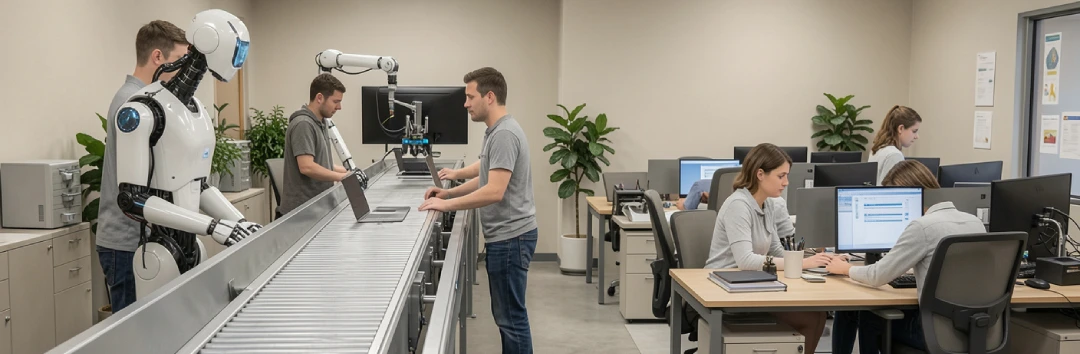
Automation is transforming the modern workplace by streamlining repetitive tasks and allowing employees to focus on higher-value activities. From data entry to customer support, businesses are increasingly adopting automated tools to improve efficiency and reduce human error. This shift is not only saving time but also enabling organizations to operate more strategically in a fast-paced, competitive environment.
One of the biggest advantages of automation is its ability to handle routine and time-consuming processes with speed and accuracy. Tasks such as scheduling, reporting, invoicing, and email responses can now be automated, freeing up employees to concentrate on creative problem-solving and decision-making. As a result, teams become more productive and can deliver better outcomes without increasing workload.
Automation also enhances collaboration and workflow management within organizations. With the integration of smart tools and platforms, teams can track progress, assign tasks, and manage projects more effectively. Automated notifications and updates ensure that everyone stays aligned, reducing delays and miscommunication. This leads to smoother operations and improved overall performance.
In addition to improving efficiency, automation plays a crucial role in reducing operational costs. By minimizing manual labor and optimizing resource allocation, businesses can achieve more with fewer resources. This is particularly beneficial for small and medium-sized enterprises looking to scale without significantly increasing expenses. Automation allows them to compete with larger organizations by improving speed and service quality.
Another key benefit is the ability to leverage data for better decision-making. Automated systems can collect, analyze, and present data in real time, providing valuable insights into business performance. This enables leaders to make informed decisions quickly, identify trends, and respond proactively to market changes. Data-driven strategies become more accessible and effective with automation in place.
Ultimately, automation is not about replacing human workers but empowering them. By eliminating repetitive tasks, it allows employees to focus on innovation, strategy, and customer engagement. Businesses that embrace automation can enhance productivity, improve employee satisfaction, and stay ahead in an ever-evolving digital landscape. As technology continues to advance, automation will play an even greater role in shaping the future of work.